
National Context
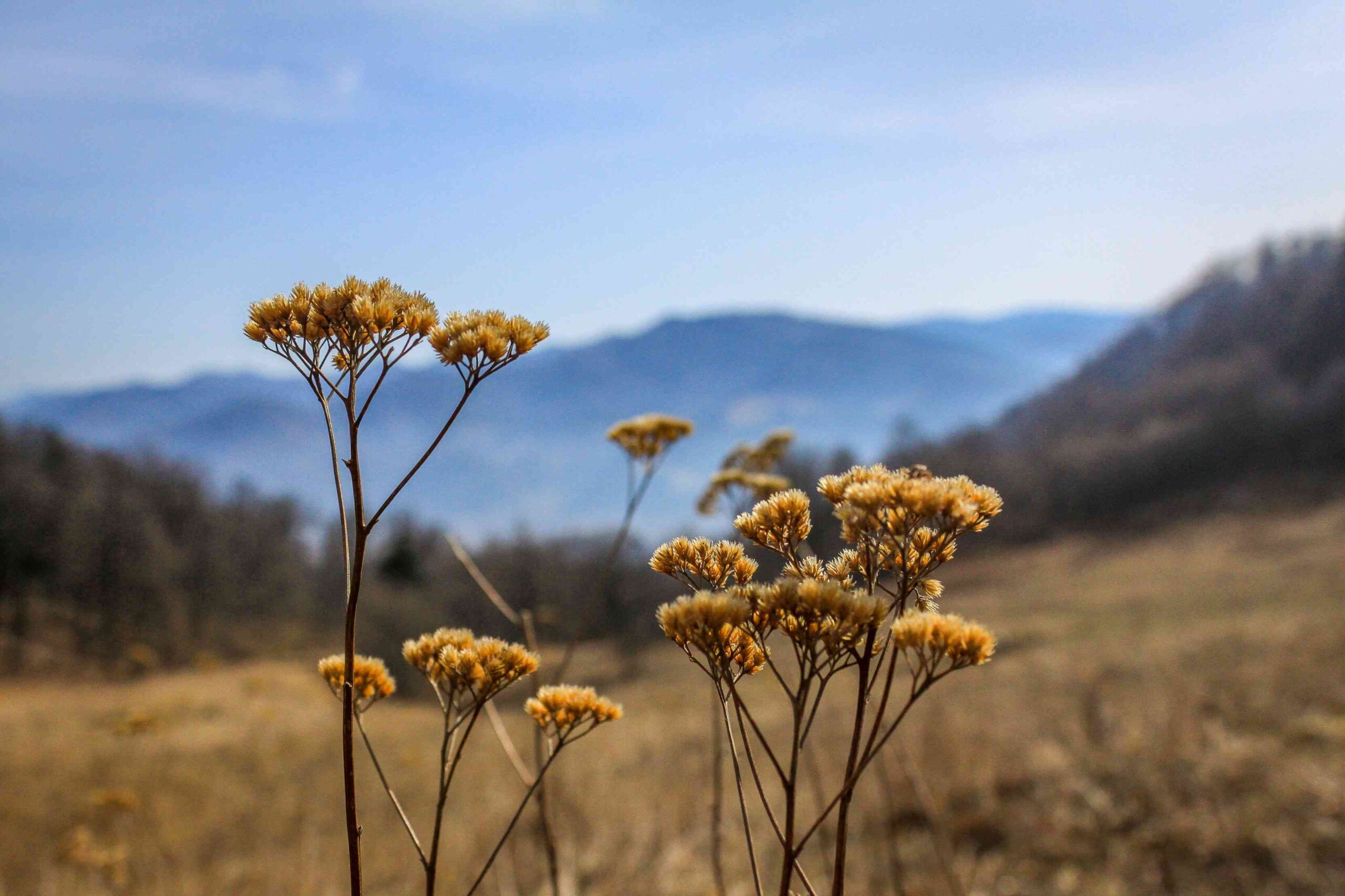
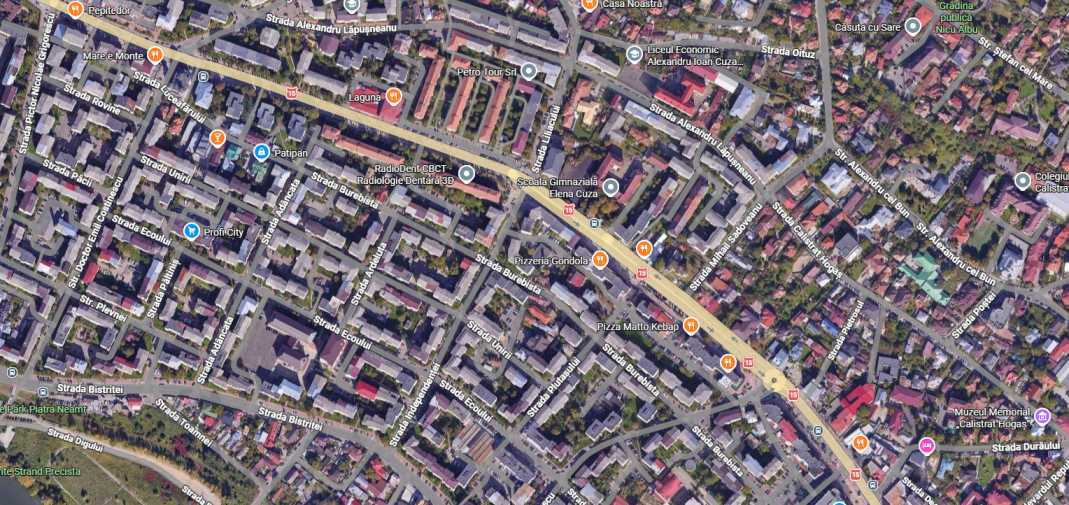
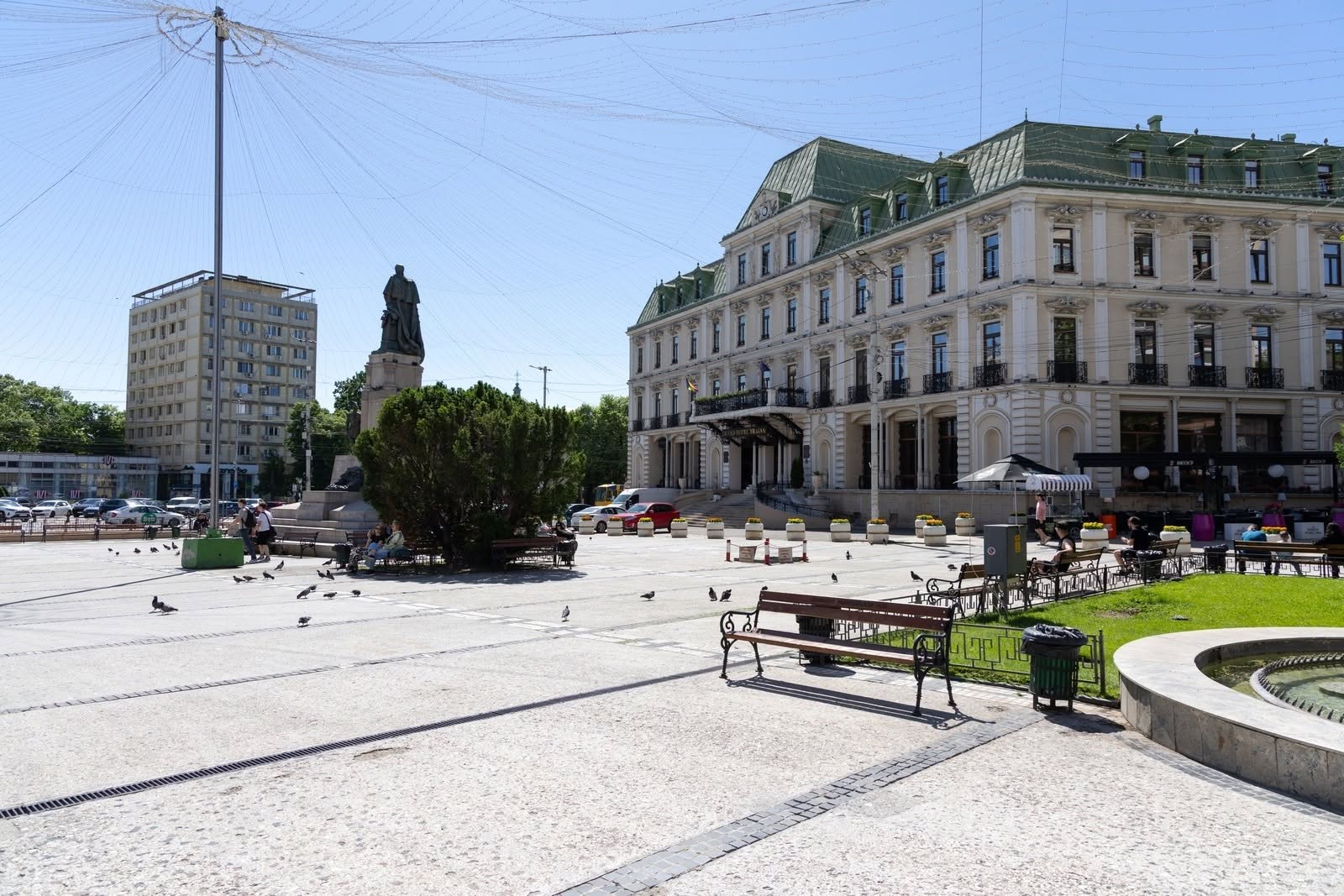
The North-East Region of Romania is home to six counties — Iași, Suceava, Bacău, Neamț, Botoșani and Vaslui — and a network of cities whose urban fabric reflects the rapid, density-driven development of the communist period. Former workers’ districts, dense residential blocks and extensively sealed surfaces characterize the built environments of the region’s major cities, from Iași in the south to Suceava in the north. Despite the region’s exceptional natural heritage — including the Carpathian foothills, the Moldavian plateau and river corridors such as the Bistrița, Suceava and Bahlui — urban biodiversity within city limits remains under pressure, poorly monitored and largely absent from municipal decision-making.
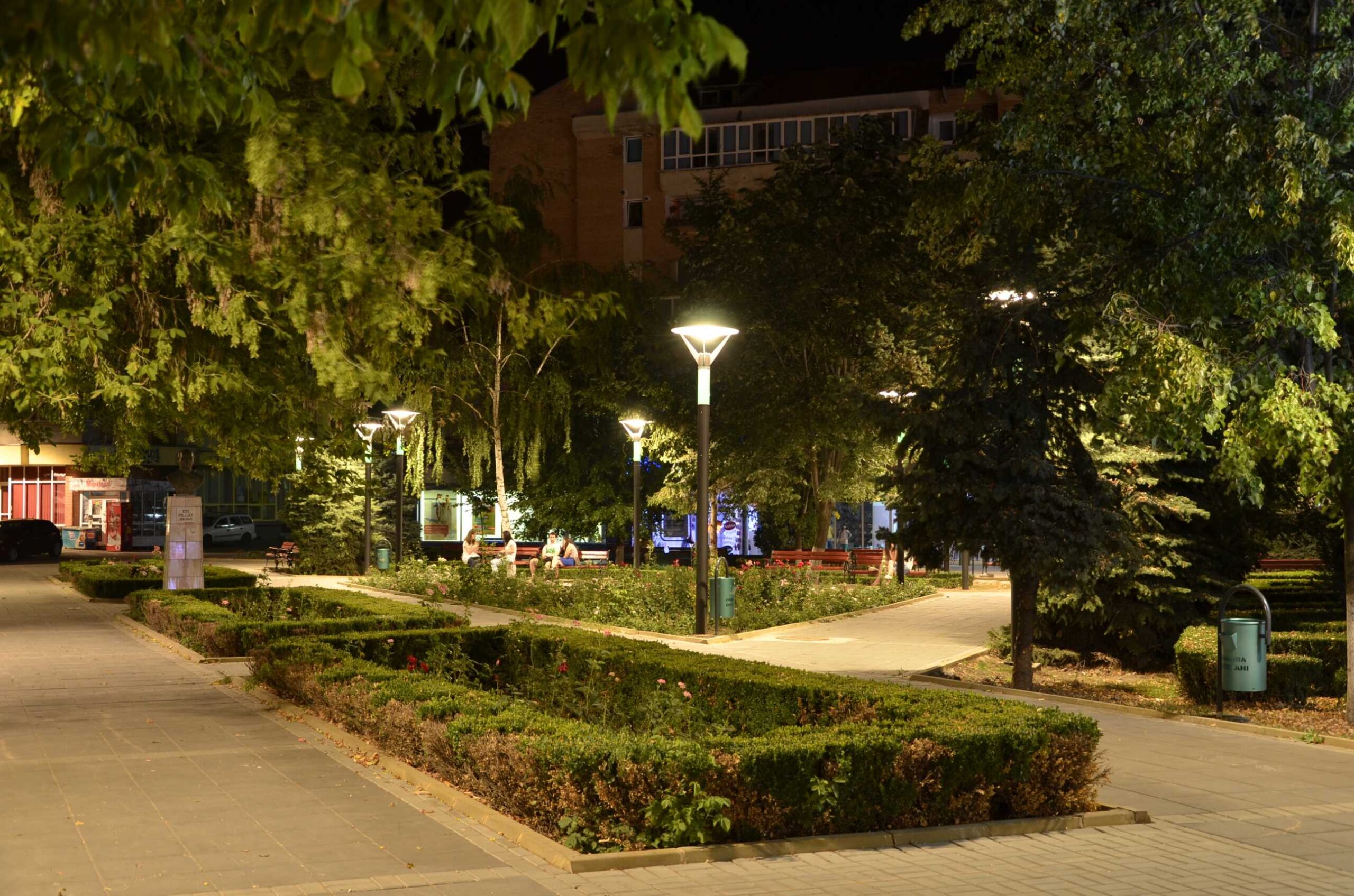
Three interconnected challenges define the urban biodiversity situation across the region. The prevalence of impermeable surfaces and insufficient tree canopy intensifies urban heat island effects, with summer temperature differentials between built-up and peri-urban areas increasingly documented in cities such as Iași and Bacău. Stormwater runoff from sealed areas overloads combined sewer systems along major river corridors, increasing flood risk with each episode of intense rainfall. And habitat fragmentation — driven by road expansion, parking pressure on green spaces and suburban construction — continues to erode ecological connectivity, largely without systematic monitoring to make these losses visible to those in a position to act on them.
One of the most advanced local policy responses in the region is the Green City Action Plan of Iași (GCAP), developed within the EBRD Green Cities Programme and finalised in October 2023. The GCAP establishes six priority actions for green space expansion and ecological connectivity, including a green corridors network linking the city centre, the River Bahlui and the Galata Forest, green oases in residential neighbourhoods, community gardens at schools and a city-wide vegetation assessment. At regional level, the North-East Regional Development Plan 2021–2027 includes nature and biodiversity protection among its operational priorities. National frameworks — the National Climate Change Strategy 2016–2030, the Territorial Development Strategy of Romania 2035 and the National Strategy and Action Plan for Biodiversity Conservation — provide the broader policy context within which local action sits.


Project U.BI.TEACH – URBAN BIODIVERSITY TEACHING AND LEARNING IN HIGHER EDUCATION SECTOR (2023-1-ES01-KA220-HED-000154248 )
Funded by the European Union. Views and opinions expressed are however those of the author(s) only and do not necessarily reflect those of the European Union or the European Education and Culture Executive Agency (EACEA). Neither the European Union nor EACEA can be held responsible for them.
This work is licensed under CC BY-NC 4.0. To view a copy of this license, visit here.
Privacy Policy
By understanding that the use of your data requires your confidence, we follow the current regulations and the appropriate procedures in the treatment and data protection. Find more here.

